Iran-China project to restore wetlands, curb dust storms enters implementation phase
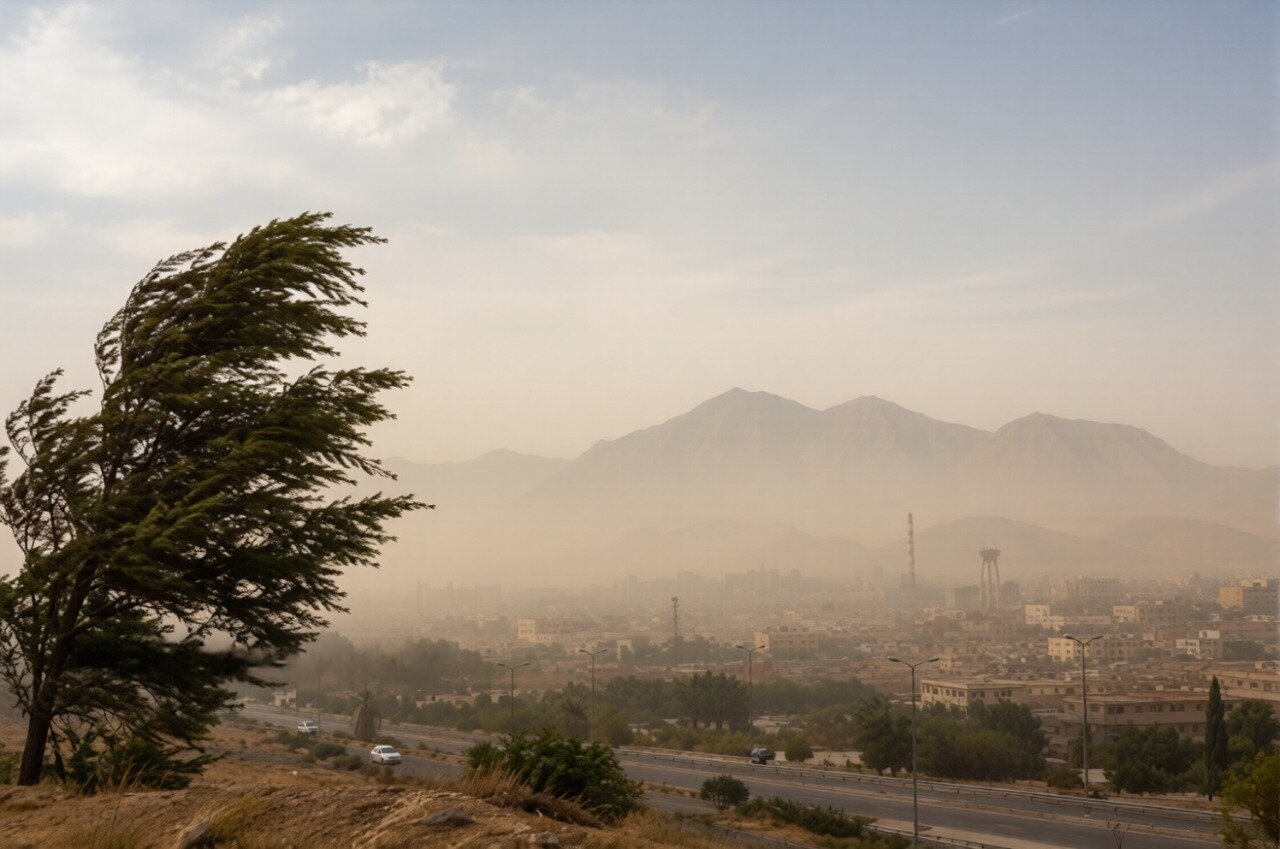
TEHRAN – A joint Iran-China project to restore Salehiyeh and Allahabad wetlands, located west and southwest of Tehran, and curb dust storm sources has entered the implementation phase, with planned measures covering more than 48,000 hectares.
The wetlands are important ecosystems that help sustain local biodiversity and regulate environmental conditions. However, declining rainfall, drought, excessive water extraction, and drainage projects have contributed to their degradation and the shrinking water bodies.
A specialized webinar to review the operational aspects of the memorandum of understanding for the joint project was held on Saturday with the participation of University of Tehran faculty members and representatives of relevant organizations.
Coordinated by the Secretariat of the National Dust Storm Headquarters, the project involves the Chinese Academy of Sciences, the University of Tehran, and the Plan and Budget Organization. It aims to curb active dust storm sources, improve the hydrological regimes of the two wetlands, and enhance the livelihoods of local communities.
Under the plan developed for the first phase, rehabilitating drainage systems and reopening waterways, establishing living and non-living windbreaks, implementing biological measures, using environmentally compatible mulches, and empowering local communities have been envisaged, Mehr news agency reported.
According to the Department of Environment (DOE), in accordance with President Masoud Pezeshkian’s directives and to follow up on the resolutions of Iran’s National Headquarters for Dust Storm Policy and Coordination, a specialized webinar was held on Saturday, reviewing the operational aspects of the tripartite memorandum of understanding (MOU) of the Iran-China joint project. Officials from the University of Tehran and other related organizations attended the webinar.
Addressing the event, Behzad Raygani, secretary of the National Secretariat for Sand and Dust Storms, outlined the parameters for joint effort while highlighting the need for integrated water resources management, restoration of wetland ecosystems, development of conservation agriculture, and stabilization of soil in critical dust hotspots.
The initiative serves as an example of national synergy, and proactive environmental diplomacy will be pursued across the short-term, medium-term, and long-term.
Pezeshkian pushes for drafting action plan to combat desertification
In September, President Pezeshkian highlighted the need to draft a five-year Iranian-Chinese action plan to manage airborne dust and combat desertification in line with a memorandum of understanding (MOU) signed by the two countries.
The MOU was inked in the last month of spring in 2025, in Lanzhou, China, to promote scientific cooperation and address sand and dust storms (SDSs) challenges, IRNA reported.
Following specialized meetings and an assessment of scientific and operational indicators, a five-year action plan is scheduled to be developed, and two regions have been designated as pilot sites for implementing joint efforts.
The selected areas include Salehiyeh Wetland, a major dust source affecting Alborz, Qazvin, and Tehran provinces, and Tabas desert, another main dust hotspot in the country, chosen due to their roles in the expansion of desertification, sandstorms, and their impacts on agriculture and infrastructure.
Highlighting the importance of protecting natural resources and the environment, Pezeshkian called for taking action against unauthorized construction and illegal activities that undermine regulations and lead to environmental consequences, as well as benefiting from the capacities and expertise of the Chinese Academy of Sciences in implementing pilot projects.
The official made the remarks in a meeting held on September 13 to give an account of the progress in the bilateral MOU.
Moreover, the president urged the University of Tehran to maintain constant collaboration with the Chinese Academy of Sciences and develop a joint action plan to be assessed and discussed in the next meetings. The official also asked the Plan and Budget Organization to secure funds required for the studies and measures in the five-year action plan.
Dust storms are significant environmental challenges that adversely affect food security, human health, and the sustainable development process at national and regional levels.
Being located in an arid and semi-arid area, Iran has been negatively impacted by climate change. The rise in temperatures, drop in precipitation, intensified droughts, and frequent SDSs have not only threatened the ecosystem and biodiversity but also jeopardized the country’s food security by exacerbating soil erosion, expanding desertification, and declining agricultural productivity.
MT/MG
Leave a Comment